
Story: Wanwisa Phaliang
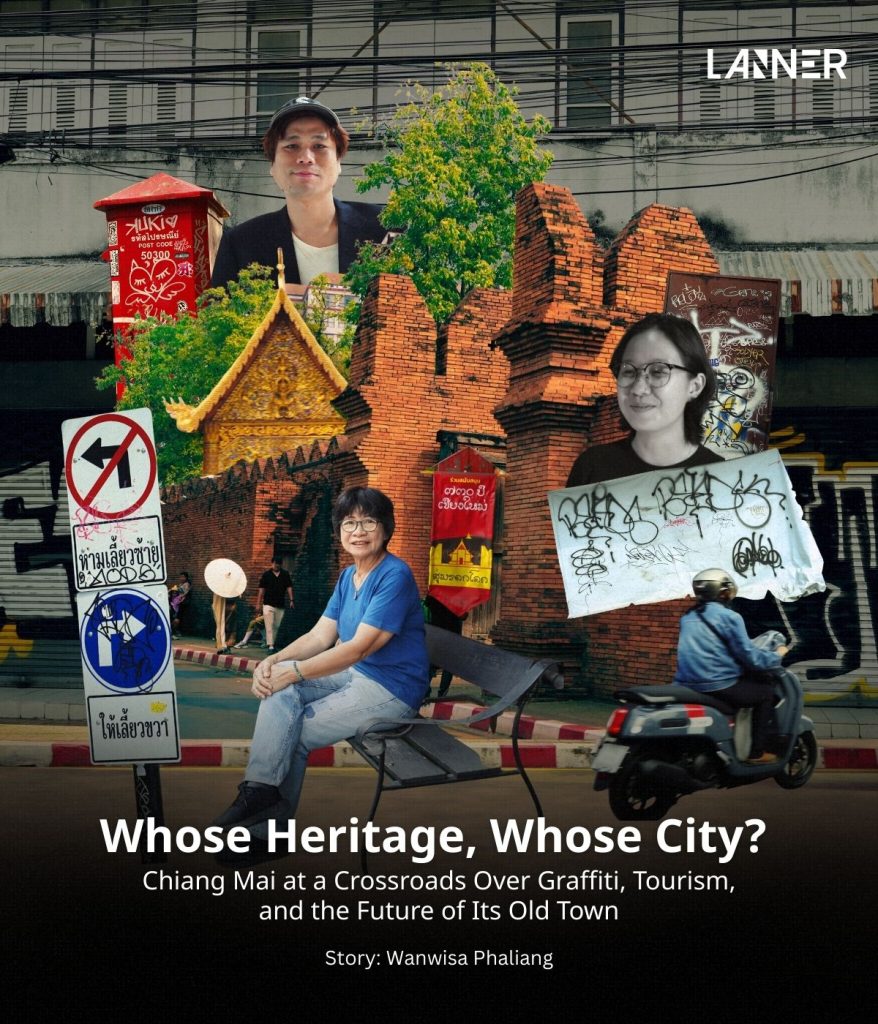
The push to nominate Chiang Mai as a World Heritage City has returned to public attention once again, as this historic Lanna city prepares to enter the consideration process of UNESCO.
This effort is seen as an opportunity to elevate Chiang Mai’s cultural value on the global stage and potentially generate economic benefits through tourism and the city’s cultural image.
The proposal focuses on core heritage sites: 7 temples, 5 city gates, and 4 corners of the old city wall. These include key Lanna temples such as Wat Chiang Man, Wat Phra Singh Woramahawihan, Wat Chedi Luang Worawihan, Wat Phra That Doi Suthep Ratchaworawihan, Wat Suan Dok, Wat Chet Yot, and Wat Umong, along with the historic gates and fortifications that still reflect the ancient city layout.
However, as the nomination process moves forward, Chiang Mai faces a critical question regarding the landscape of the old city, particularly the presence of graffiti on walls and historic buildings, as well as large billboards across the city.
For some, these elements may undermine the image of a historic city preparing for international evaluation. For others, they represent part of the city’s contemporary culture.
These differing perspectives reflect a deeper question:
How can a historic city preserve its heritage while remaining a living city where people actively live?
The Old City Has Space for Art, But in the Right Place
Amid debates over the old city’s image, including graffiti, billboards, and heritage management, the voices of residents have become crucial in reflecting Chiang Mai’s transformation over recent decades.
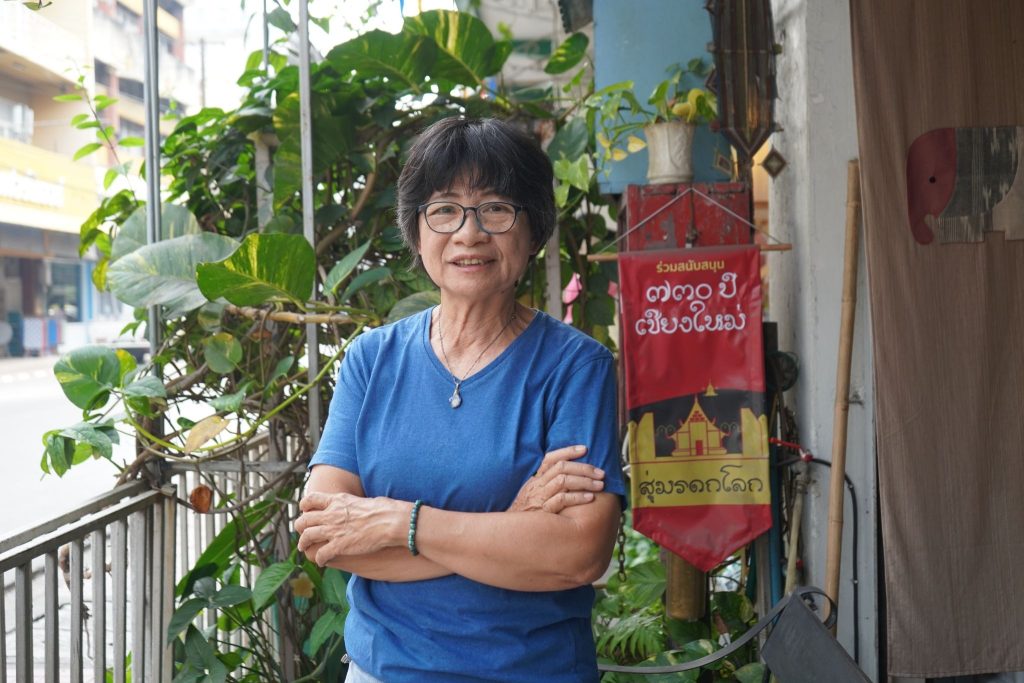
Saowakon Sribunruang, a member of the Chiang Mai Heritage Conservation Network who has followed changes in the old city for decades, noted that graffiti on walls and public spaces has become increasingly visible.
From the perspective of local residents, this is not just about aesthetics. It concerns the city’s image and shared responsibility in maintaining community spaces, especially as Chiang Mai is seeking World Heritage status.
“We don’t reject art. But if it’s in the wrong place, we need to help take care of it.”
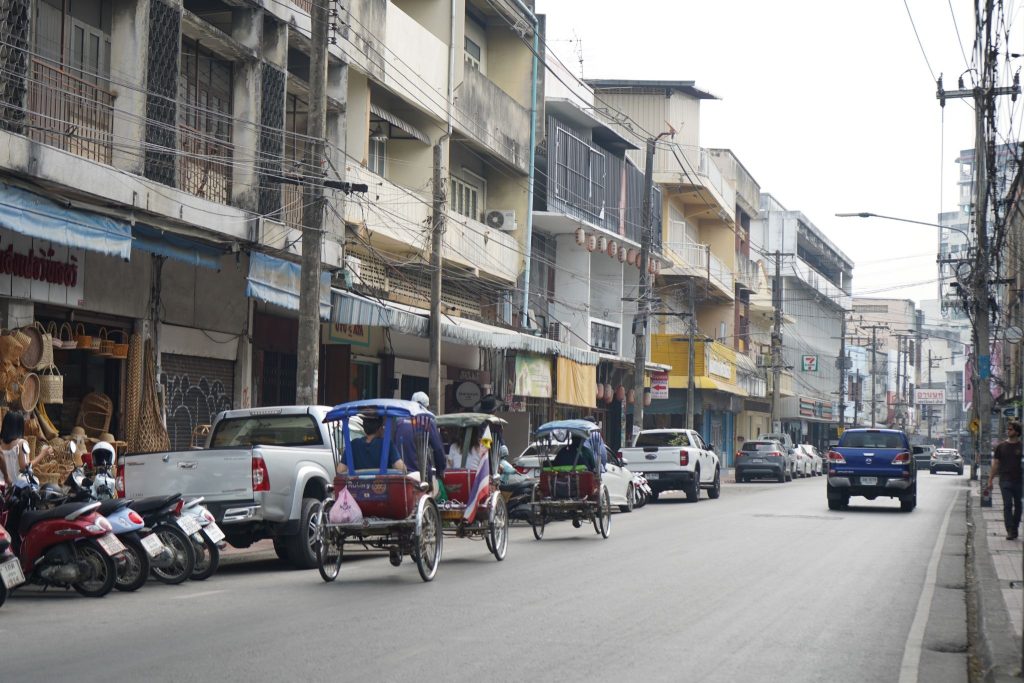
At the same time, she does not oppose art in the city, but suggests proper management, such as designated areas for artistic expression or requiring artists to register locations beforehand, so that art and urban management can coexist.
She also raised concerns about large billboards near city walls and gates. These highlight issues of law enforcement, particularly local regulations on building height, signage, and urban landscape control.
“If the laws already exist, officials just need to enforce them seriously. Real inspections and real penalties will set a standard.”
Saowakon added that Chiang Mai lacks a clear framework for land use in the old city. Today, restaurants, bars, and tourism businesses increasingly replace residential communities.
She emphasized that development does not need to stop, but it must respect history and local ways of life.
“Development and conservation can go together, but we need clear rules.”
She also sees World Heritage status as an opportunity to improve infrastructure, such as public transport, sidewalks, drainage, and utilities, to better connect key heritage sites.
“If we get World Heritage status, public transport, roads, sidewalks, drainage, and lighting will follow because there are standards to meet.”
Graffiti, Expression, and the Lack of Space
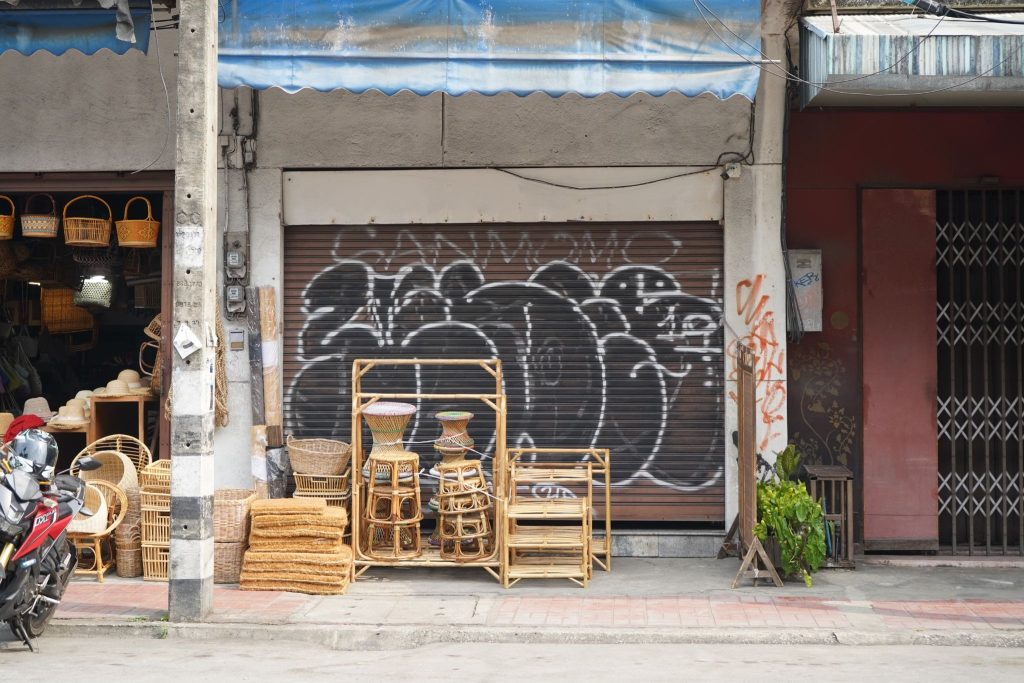
Amid ongoing debates about graffiti, one graffiti artist who has worked in Chiang Mai for over five years explained that graffiti culture includes a wide range of practices, from simple tagging to large-scale, detailed artworks.
A core element of this culture is using urban space as a canvas for expression.
Painting in public or unauthorized spaces is often seen as a challenge, especially among so-called “bombers” who work quickly across the city.
He acknowledged that some forms of graffiti can create problems, particularly when they appear on historically significant sites such as city walls or old buildings.
This conflict reflects a deeper issue: a lack of designated spaces for this type of artistic expression. As a result, artists often use public areas to experiment or build their identity.
One possible solution, he suggested, is creating official graffiti spaces, such as designated walls or organized art festivals.
“If there’s space to paint, at least artists have somewhere to show their work.”
If managed properly, graffiti could become part of Chiang Mai’s contemporary cultural landscape while coexisting with its historical identity.
A Heritage City Must Also Be a Living City

Assoc. Prof. Dr. Chiranthanin Kitika from the Faculty of Architecture at Chiang Mai University sees the graffiti debate as reflecting tension between the ideas of a ‘heritage city’ and a ‘contemporary city.’
He explained that graffiti and World Heritage designation are technically separate issues, but they happen to overlap in the same space.
The real issue, he argued, is the lack of clarity in defining what constitutes the value of a heritage city.
While the nomination focuses on key sites such as temples and city walls, the burden of maintaining a ‘heritage image’ is often placed on the entire city.
“They nominate 7 temples and the city walls, but in the end, streets, shops, and people’s homes all carry the burden of being ‘World Heritage.’”
This reflects a broader challenge. Cities are not just historical spaces, but places where people live, work, and adapt to changing economic and social conditions.
Chiranthanin emphasized that modern heritage concepts go beyond preservation. They embrace what is known as ‘living heritage,’ meaning places that remain inhabited and actively used.
If urban management focuses only on appearance, it risks restricting everyday life, whether in public space use, livelihoods, or cultural expression.
“What makes history alive is people.”
A successful heritage city, therefore, is not one frozen in time, but one that balances historical preservation with contemporary life.
A Vision Questioned by the Younger Generation
Younger voices in the city are more critical, questioning the idea of World Heritage status in terms of urban development, economy, and everyday life.

Monthira Kumsorn, a member of The Ugly City group, which organizes night-time urban walks, pointed out that Chiang Mai previously attempted this process in 2015, but failed due to incomplete documentation and unresolved questions about the city’s global value.
“There were issues about conservation boundaries, buffer zones, and how the city would be managed after designation.”
Conflicts over large-scale development projects at the time also affected the process.
The proposal has now returned in 2026, coinciding with Chiang Mai’s 730th anniversary.
However, Monthira questions whether this concept fits today’s context.
“For us, the World Heritage idea feels outdated and may not align with Chiang Mai’s current realities, especially under Thailand’s urban management system.”
She noted that World Heritage status requires strict criteria, including outstanding universal value, integrity, authenticity, and long-term management systems.
While many believe it would boost tourism, she warned it could lead to gentrification, where rising costs push local residents out.
“Thailand has never had strong systems to protect residents from tourism-driven growth. Cities grow, investors come, but locals are forced out.”
Strict conservation laws could also limit renovations and development.
She cited Kyoto as an example, where strict preservation rules have turned some areas into ‘stage-like’ spaces without real residents.
Despite her critique, Monthira does not reject heritage itself.
“History helps us understand where we come from, but preservation doesn’t mean freezing the city forever.”
She envisions a future Chiang Mai that prioritizes people over tourism.
“We want a city where people can truly live, not one built only for tourism.”
An Unanswered Question About the Future
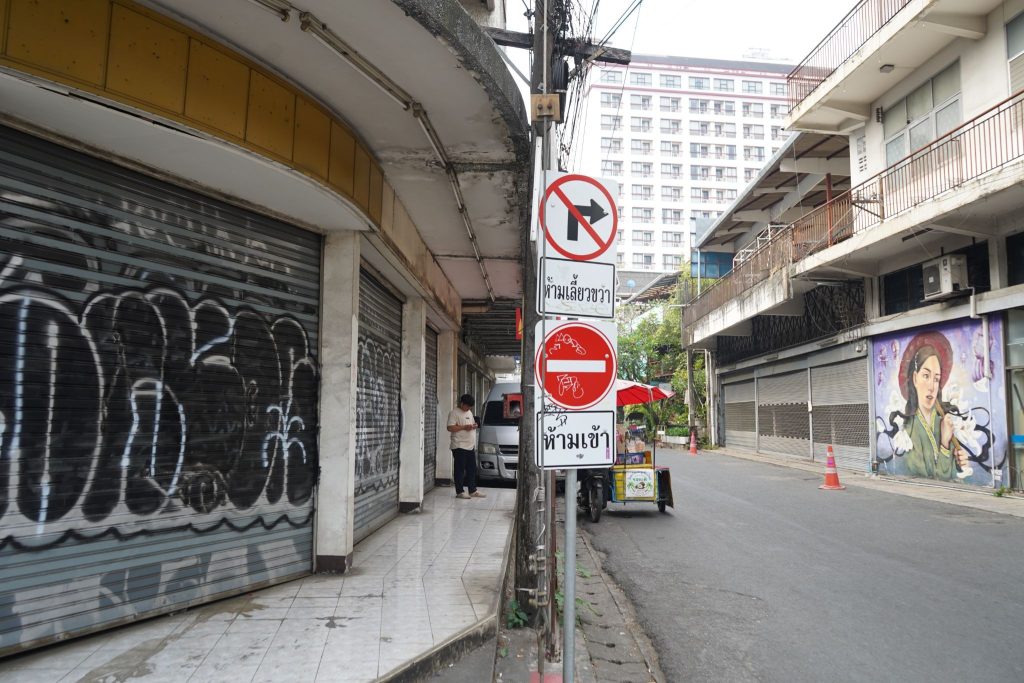
Amid debates over graffiti, billboards, and urban management, it is clear that there is no single answer to the question of Chiang Mai and World Heritage status.
For some, it is an opportunity to elevate cultural value.
For others, the real challenge lies in managing the city so it can both preserve its heritage and remain livable.
Ultimately, debates over graffiti, signage, and urban image may be just one signal prompting a broader question:
What kind of heritage city does Chiang Mai want to be, and who is that city for?

